


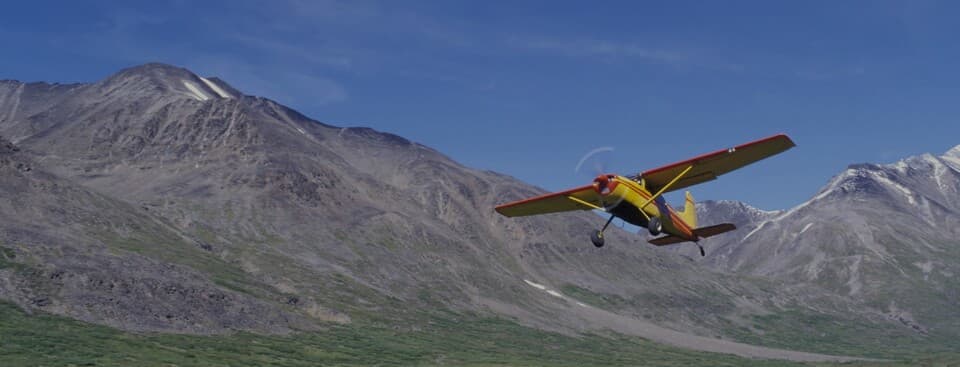
Scenic Airplane Flights
Take your seat in the cockpit of an airplane for your first flight—an introductory airplane flight (discovery flight) in a light aircraft!
Experience the unique sensations of flying, admire the landscapes from above, and let your certified pilot guide you.
An introductory airplane flight is a one-of-a-kind experience, with brand-new sensations and a fresh perspective.
Fully experience taxi, takeoff, and landing alongside passionate, skilled pilots.
Results: 9 flights available
- Scenic seaplane flight in Vancouver over the Coast Mountains
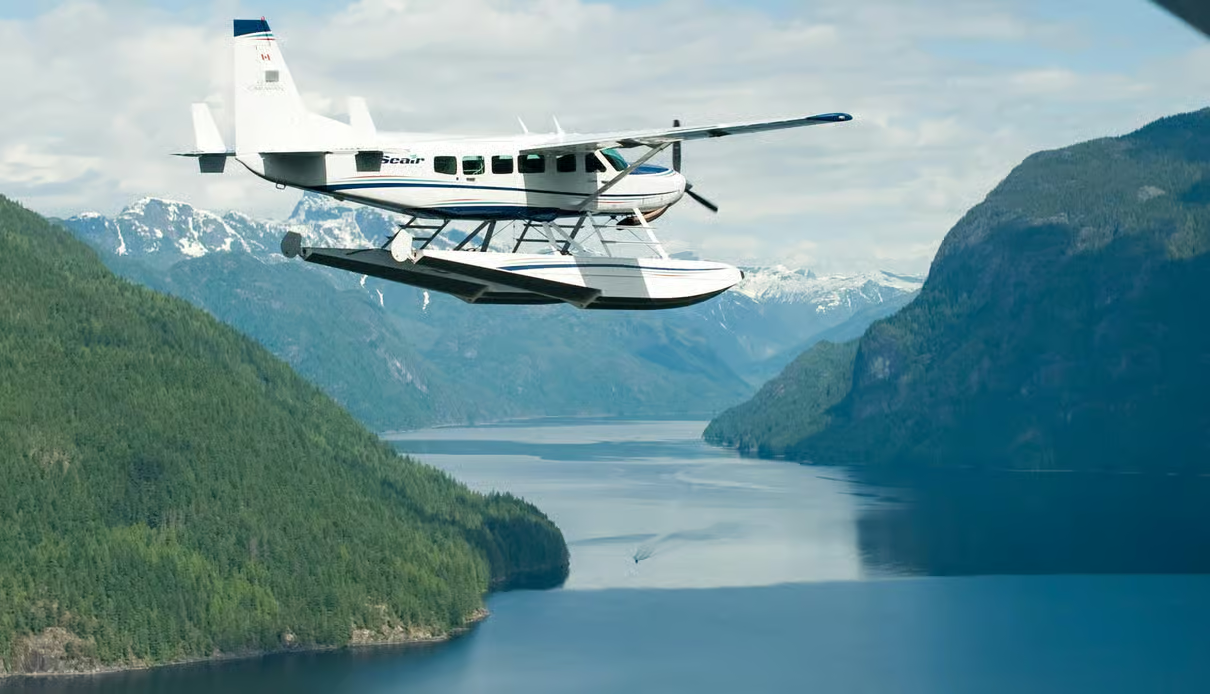
Scenic seaplane flight in Vancouver over the Coast Mountains
From CA$299ViewV6C 0C3, Vancouver - Scenic seaplane transfer between Vancouver and Victoria
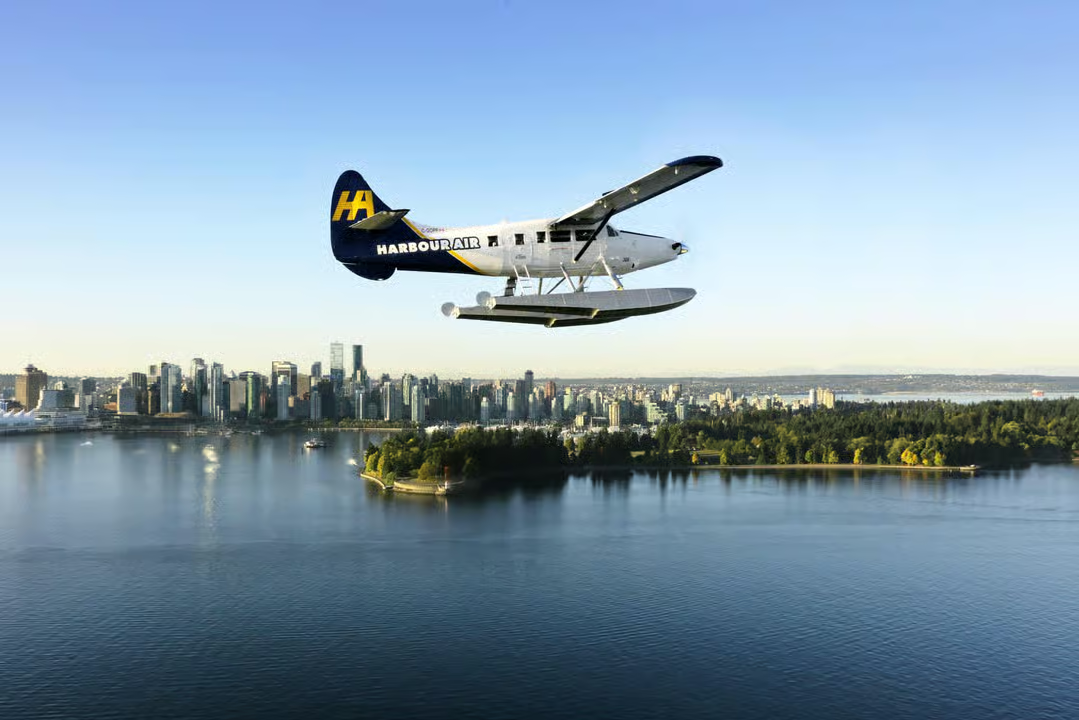
Scenic seaplane transfer between Vancouver and Victoria
From CA$390ViewV6C 0C3, Vancouver - Airplane Flight to Tadoussac and the Saguenay Fjord
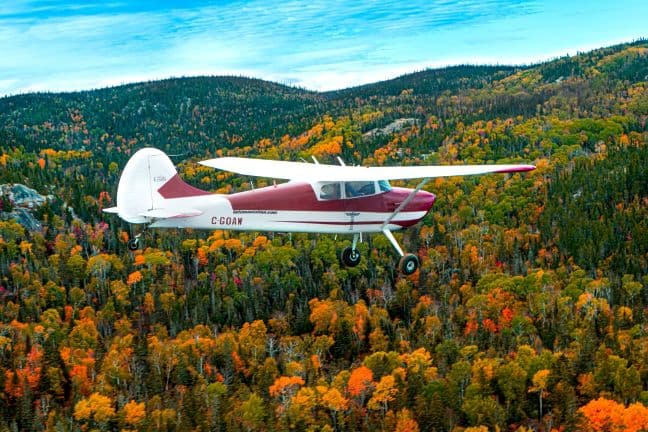
Airplane Flight to Tadoussac and the Saguenay Fjord
From CA$320ViewG0T 1K0, Les Escoumins  Partner
ULYSSE PARTNER
Give the gift of flights
Gift card from €20GiftPartner offerBy clicking Book or Gift voucher, you will be redirected to our partner’s website to complete your booking. 2Dolist may receive a commission at no additional cost to you. The partner’s booking and payment terms apply.- Scenic seaplane flight in Victoria, British Columbia
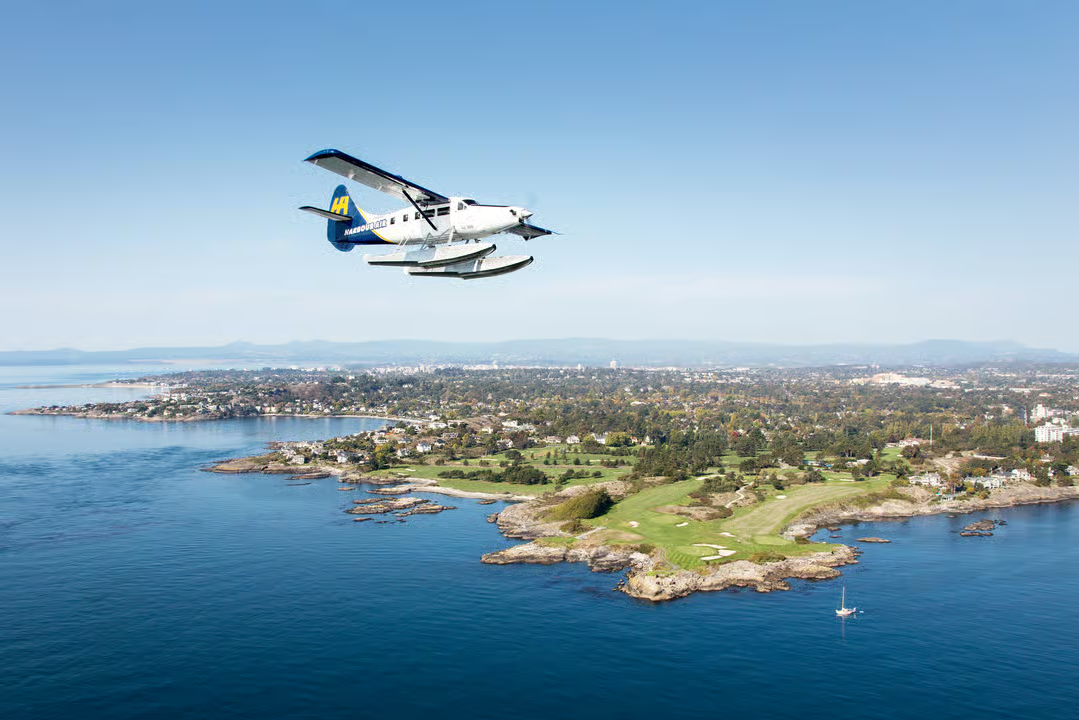
Scenic seaplane flight in Victoria, British Columbia
From CA$191ViewV8W 1T3, Victoria - Seaplane day trip between Nanaimo and Sechelt - With a day in Sechelt

Seaplane day trip between Nanaimo and Sechelt - With a day in Sechelt
From CA$254ViewV9R 5H7, Nanaimo
Filter this activity by region and department (site map) : Airplane
Browse other air activities available in Canada
Landscapes reveal themselves to you from a previously unknown angle: wildlife in its natural habitat, farm fields, majestic mountains, rugged coastlines, shimmering streams, etc.
You will discover certain sites that are not visible by road. Every airplane flight offers its share of surprises. The seasons, the weather, and the time of the flight bring changing colors and reflections on the ground with every flight.
Make your dream come true and become a light-airplane pilot!
And how about giving an airplane flight for a birthday? Our partners offer gift certificates for every occasion!
Discover the airplane flight experience
Airplane flight is a dream for many of us. No need to be an aviation expert—the simple fact of flying over beautiful places remains an attractive aerial activity and a source of wonder. It is also possible to travel by private airplane with a private jet charter that lets you go from point to point while enjoying the premium service of business aviation. Many airports in Canada are available and have dedicated FBOs/general-aviation terminals.
Introductory airplane flight
What is an introductory flight?
An introductory airplane flight is for anyone who wants to make a very first flight. It is a unique opportunity to discover the world of aviation with its very specific sensations and spectacular views.
For this introductory flight, an experienced pilot accompanies you and ensures your safety throughout the flight. You board a light airplane for a short duration, generally between 15 and 30 minutes. This first flight requires no prior knowledge and is open to everyone, adults and children alike.
The sensations of the first flight
The first airplane flight is often described as a fabulous, magical, and memorable experience. From takeoff, the adrenaline rises as the airplane leaves the ground and climbs. The panorama is majestic and the environment below brings discoveries and surprises. The sound of the engines, the wind, and the sensation of lightness create a mix of excitement, fulfillment, and serenity.
Many describe their introductory flight as a moment of pure freedom and wonder, etched in their memory forever.
Why choose an introductory airplane flight?
Choosing an introductory airplane flight is an excellent option to discover aviation in a safe, supervised way.
This aerial activity is for you if you enjoy thrills and new experiences. For those who are anxious about flying, it is a good solution to discover the world of aviation and overcome your fears.
For the joy of flying or as a gift for a friend, an introductory airplane flight is an unforgettable adventure!
Scenic flights in light airplanes
A light-airplane flight offers a unique and captivating way to explore varied landscapes. Unlike ground transportation, the airplane lets you fly over remote areas and admire spectacular panoramic views, for example, you can choose a light-airplane flight in British Columbia and discover the landscapes of this region between Vancouver Island and the Coast Mountains.
An introductory flight gives an overall view of the topography and geography of the area flown over.
Introductory airplane flights and Airplane tours let you discover beautiful landscapes from above without learning to fly. These flights are made for sightseeing and enjoying the views, whether it’s along the Pacific Coast in British Columbia, over the Canadian Rockies, or around Lake Ontario and the Thousand Islands. Each airplane tour gives you a great overview and a memorable experience during your trip.
The best scenic routes
Among the most popular destinations:
- The Canadian Rockies (Alberta/British Columbia): snowy peaks, alpine valleys, national parks.
- The Pacific Coast (British Columbia): coastline, coastal towns, beaches, and clear waters.
- The Atlantic Coast (Nova Scotia/Newfoundland and Labrador): deep blue waters, cliffs, and rugged shorelines.
- The St. Lawrence River corridor (Québec): wide river vistas, historic towns, and varied scenery.
- New Brunswick and Prince Edward Island: coastal views, islands, and distinctive shorelines.
- The Okanagan Valley (British Columbia): lakes, vineyards, and rolling hills.
- Airplane flight around Vancouver / Strait of Georgia: coastal landscapes facing the Pacific.
These routes are designed to offer the best of local landscapes, guaranteeing an exceptional visual and emotional experience.
Tips for a successful light-airplane flight
Here are some practical tips to make your light-airplane flight a success:
Book in advance, especially in high season.
Choose comfortable, weather-appropriate clothing. It can be cooler at altitude, so remember to bring a jacket.
To get the most from the view, choose a day with favorable weather. Clear skies allow better visibility and more pleasant flight conditions.
Listen to and follow the safety instructions given during the briefing.
Take photos: landscapes seen from the air are often spectacular.
Safety and regulations
Safety standards in recreational aviation
Safety standards are strictly defined to ensure the protection of pilots, passengers, and people on the ground.
Aircraft maintenance: airplanes are regularly maintained and inspected by certified mechanics. Each aircraft must undergo periodic technical checks to ensure it is in proper working order.
Safety equipment: light airplanes are equipped with safety devices such as seatbelts, fire extinguishers, and communication equipment.
Flight planning: before each flight, careful planning is necessary to evaluate weather conditions, plan the route, etc.
These standards aim to minimize risks and guarantee safe flights for everyone.
Rules to follow for recreational pilots
Recreational pilots must follow a set of rules and regulations to fly safely. Here are some of the main rules:
Pilot license: each pilot must hold a valid license appropriate to the type of airplane flown.
Flight hours: pilots must log their flight hours and respect imposed limits to avoid fatigue.
Weather conditions: pilots must check weather conditions before the flight and avoid flying in unfavorable conditions.
Airspace compliance: following airspace rules, including minimum and maximum altitudes, and avoiding restricted or prohibited areas is essential.
Communication with air-traffic controllers: pilots must maintain regular communication with controllers to receive instructions and updates.
Importance of pre-flight briefings
Flight planning: study of the route, planned altitudes, waypoints, and any turbulence areas.
Weather analysis: identification of potential disturbances.
Aircraft check: visual inspection of the airplane to ensure that it is in good working order and that all safety equipment is present and operational.
Reminder of emergency procedures: review of procedures to follow in case of emergency.
Passenger briefing: presentation of safety instructions, boarding and deplaning procedures, and the use of safety equipment.
These briefings ensure that the pilot and passengers are well prepared and aware of the responsibilities and procedures to follow for a safe flight.
How your first airplane flight unfolds
During your introductory airplane flight, you will be warmly welcomed at the airfield by the pilots, who will explain precisely how the flight will proceed and the rules to follow. Do not neglect this important step. The instructors make it pleasant.
You will receive safety instructions as well as the flight plan. Do not hesitate to ask them questions, especially if you feel stressed. They are used to it and will find the words to help you relax.
With the briefing complete, it is time to board the airplane. The pilot will indicate the passenger seat. Fasten your seatbelt.
Before takeoff, the pilot performs several pre-flight checks, thus ensuring that the airplane’s systems are fully operational.
Head to the runway. The control tower authorizes the pilot to depart. The airplane accelerates on the runway. You feel yourself pushed back into your seat. Then the airplane rises into the sky—a transition full of unique, exhilarating sensations.
During the flight, the pilot comments on the places you fly over. When it is time to return to the airfield, the airplane begins its descent gradually to the landing phase, then taxis slowly to the parking area.
Once the airplane is stopped and the engines shut down, you can unfasten your seatbelt and step out of the airplane.
A debrief allows you to share your impressions with the pilot. A flight certificate is sometimes provided by some operators.
For many, flying represents a childhood dream that can become reality thanks to the introductory flight. Light-airplane flights allow everyone to live unforgettable moments, exploring beautiful landscapes.
Find more activities available in Canada
Powered by our partner GetYourGuide